
College Mentor is a trusted platform that helps students choose the right college and course after completing their 12th grade. With expert guidance, detailed college information, and career counseling support, College Mentor makes the college selection process easier for students and parents. If you are confused about selecting the right college, explore the services offered by College Mentor to make informed academic decisions.
Choosing the right college after 12th is one of the most important decisions in a student’s life. The college you choose can influence your career, skills, and future opportunities.
Since there are many colleges and courses available, students often feel confused about which one to choose. To make the right decision, it is important to consider several factors such as placements, faculty, infrastructure, and accreditation.
Here are some important things every student should check before choosing a college.
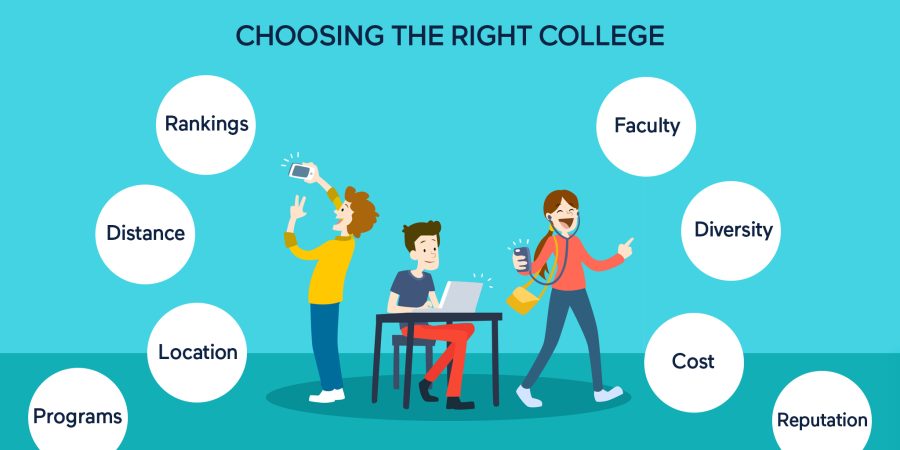
1. Identify Your Career Goals
Before choosing a college, first understand your interests and career goals.
For example:
- Technology students may choose Computer Science, AI, or Data Science
- Business students may prefer BBA or Commerce
Choosing a course that matches your passion will help you build a successful career.
2. Check College Accreditation
Make sure the college is recognized and approved by official authorities.
Look for approvals such as:
- UGC approval
- AICTE approval
- NAAC accreditation
Colleges with proper accreditation usually provide better academic standards and degree value.
3. Look at Placement Opportunities
Placement support is a major factor while choosing a college.
Students should check:
- Placement percentage
- Top companies visiting the campus
- Average salary packages
- Internship opportunities
Good placement support helps students start their careers quickly.
4. Check Faculty Quality
Experienced and supportive faculty members help students learn concepts clearly.
Look for colleges that offer:
- Qualified professors
- Industry experience
- Interactive teaching methods
- Student mentorship
Good faculty can greatly improve the learning experience.
5. Review Infrastructure and Facilities
College infrastructure also affects the quality of education.
Important facilities include:
- Smart classrooms
- Modern laboratories
- Well-equipped library
- Hostel and transport facilities
- Sports and extracurricular activities
A good campus environment helps students grow academically and personally.
6. Check Course Curriculum
The course syllabus should match current industry requirements.
Look for programs that include:
- Practical learning
- Internships
- Industry projects
- Updated technologies
This helps students gain real-world skills.
7. Consider College Location
Location can also influence your college experience.
Students should check:
- Transportation facilities
- Safety of the area
- Accommodation availability
- Nearby internship opportunities
Colleges in major cities often offer better career exposure.
8. Check College Reputation
Before choosing a college, research its reputation.
Students can check:
- Online reviews
- Alumni feedback
- College rankings
- Student experiences
This gives a better understanding of the college environment.
9. Review Fees and Scholarships
Education costs vary between colleges, so students should check the fee structure carefully.
Consider:
- Tuition fees
- Hostel costs
- Scholarship options
- Education loan availability
Many colleges offer scholarships based on merit or financial need.
Conclusion
Choosing the right college after 12th is an important step in building a successful future. Students should carefully evaluate factors like accreditation, placements, faculty quality, infrastructure, and fees.
By researching and comparing different colleges, students can choose an institution that supports their career goals and personal growth.